
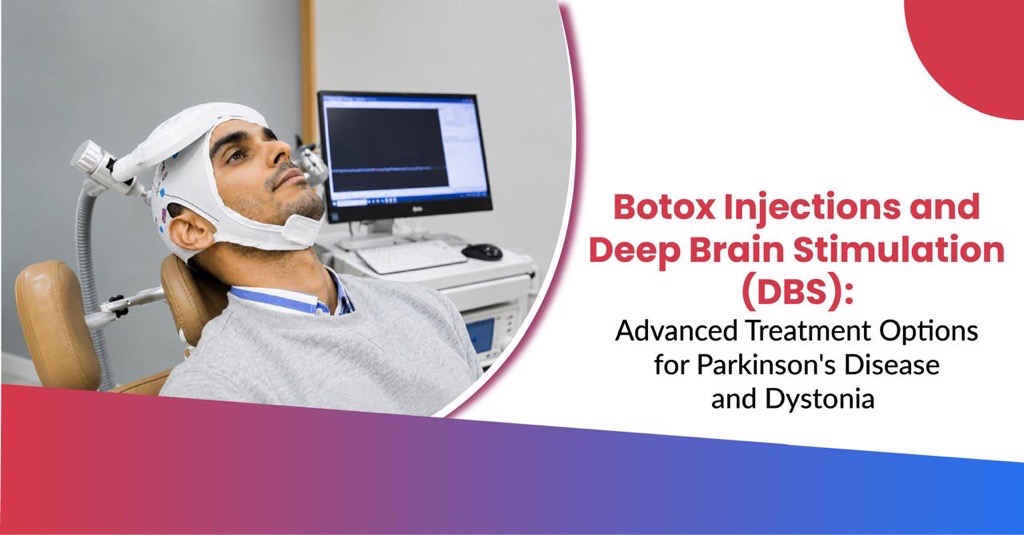
Botox injections and Deep Brain Stimulation (DBS) are advanced treatment options for Parkinson's disease and dystonia. While medications remain the first line of treatment, some patients continue to experience symptoms that interfere with their daily activities despite taking the prescribed medicines. For such individuals, these advanced therapies may offer better symptom control and improved quality of life.
If you are exploring Botox and DBS surgery in Bangalore, understanding when these treatments are recommended and how they work can help you make informed decisions. Consulting an experienced neurologist is essential to determine the most appropriate treatment based on your condition.
Understanding Parkinson's Disease
Parkinson's disease is a progressive neurological disorder that primarily affects movement. It occurs when the brain gradually loses dopamine-producing nerve cells. Dopamine is a chemical messenger that helps control smooth, coordinated body movements. As dopamine levels decrease, symptoms become more noticeable over time.
Common symptoms include:
Many patients respond well to medications in the early stages. However, as the disease progresses, treatment plans may need to be adjusted to manage changing symptoms effectively.
What is Dystonia?
Dystonia is a neurological movement disorder characterised by involuntary muscle contractions that cause repetitive movements, twisting, or abnormal postures. It may affect a single muscle group or multiple areas of the body.
Common forms of dystonia include:
Some patients with Parkinson's disease may also develop dystonia during the course of their illness.
When Should Advanced Treatments Be Considered?
Although medications remain effective for many patients, advanced therapies may be considered when symptoms are no longer adequately controlled or when side effects from medications begin to affect quality of life.
Your neurologist may recommend further evaluation if you experience:
An experienced senior neurologist will assess your symptoms, medical history, neurological examination, and overall health before recommending advanced treatment options.
Botox Injections for Dystonia and Parkinson's Disease
Botulinum toxin (Botox) is widely used in neurology to treat abnormal muscle contractions associated with dystonia and certain symptoms of Parkinson's disease. The medication is injected directly into the affected muscles, where it temporarily blocks the nerve signals responsible for excessive muscle activity.
Unlike cosmetic Botox treatments, neurological Botox injections are carefully planned based on the muscles involved and the patient's specific symptoms.
Conditions That May Benefit from Botox
Botox injections may be recommended for:
The treatment aims to reduce muscle overactivity, improve posture, relieve discomfort, and enhance daily functioning.
Benefits of Botox Therapy
Patients receiving Botox injections for dystonia may experience:
The effects usually begin within a few days and generally last for three to four months. Repeat injections may be required based on the individual's response.
Is Botox Safe?
When administered by an experienced neurologist, Botox is generally considered a safe and effective treatment. The dosage, injection sites, and frequency are tailored to each patient to maximise benefits while minimising side effects.
Deep Brain Stimulation (DBS)
Deep Brain Stimulation (DBS) is an advanced surgical treatment for selected patients with Parkinson's disease and certain forms of dystonia.
The procedure involves placing thin electrodes into specific areas of the brain responsible for controlling movement. These electrodes are connected to a small battery-powered device implanted beneath the skin of the chest. The device delivers controlled electrical impulses that help regulate abnormal brain signals.
DBS does not cure Parkinson's disease or dystonia, but it can significantly reduce symptoms in appropriately selected patients.
Who May Be Eligible for DBS?
DBS surgery may be considered for patients who:
A comprehensive neurological assessment is essential before deciding whether DBS is the right treatment option.
Benefits of Deep Brain Stimulation
Patients who undergo DBS may experience:
Following surgery, regular follow-up appointments are necessary to adjust the DBS settings and optimise treatment outcomes.
Botox vs Deep Brain Stimulation (DBS)
Although both therapies are used to treat movement disorders, they serve different purposes.
The most appropriate treatment depends on the individual's diagnosis, symptoms, and overall health.
Importance of Early Evaluation
Movement disorders often progress gradually. Early evaluation allows neurologists to recommend appropriate treatment before symptoms significantly interfere with daily life.
Seeking timely medical advice can help:
If you experience persistent tremors, muscle spasms, stiffness, or abnormal movements, consult a qualified neurologist for a detailed assessment.
Why Choose an Experienced Neurologist?
Advanced treatments such as Botox therapy and DBS require specialised knowledge and careful patient selection.
When choosing a neurologist, look for someone who:
Consulting an experienced neurologist with expertise in movement disorders ensures that patients receive evidence-based care tailored to their individual needs.
Frequently Asked Questions
1. Is Botox only used for cosmetic treatments?No. In neurology, Botox is widely used to treat muscle spasms, dystonia, spasticity, and certain Parkinson's disease-related symptoms.
2. Does DBS cure Parkinson's disease?No. Deep Brain Stimulation helps control symptoms but does not cure Parkinson's disease or stop disease progression.
3. How long do Botox injections last?The effects generally last between three and four months, although this may vary from person to person.
4. Is everyone with Parkinson's disease eligible for DBS?Only selected patients who meet specific clinical criteria are considered suitable candidates after a detailed neurological evaluation.
5. Can Botox and DBS be used together?In some cases, yes. Depending on the patient's symptoms and clinical condition, both treatments may be part of a comprehensive management plan.
Conclusion
Managing Parkinson's disease and dystonia requires an individualised approach based on each patient's symptoms, lifestyle, and treatment goals. While medications remain an essential part of care, advanced therapies such as Botox injections and Deep Brain Stimulation (DBS) have transformed the management of many movement disorders.
Patients considering Botox injections and DBS surgery should seek evaluation from an experienced movement disorder specialist who can determine the most appropriate treatment plan. With early diagnosis, timely intervention, and ongoing follow-up, many individuals are able to achieve better symptom control and maintain an active, independent lifestyle.